Under Eye Filler vs Blepharoplasty: Cost, Results, Recovery
Filler hides a hollow, surgery removes a bulge. Here's how to tell which problem you actually have, plus real costs, recovery and how long each one lasts.
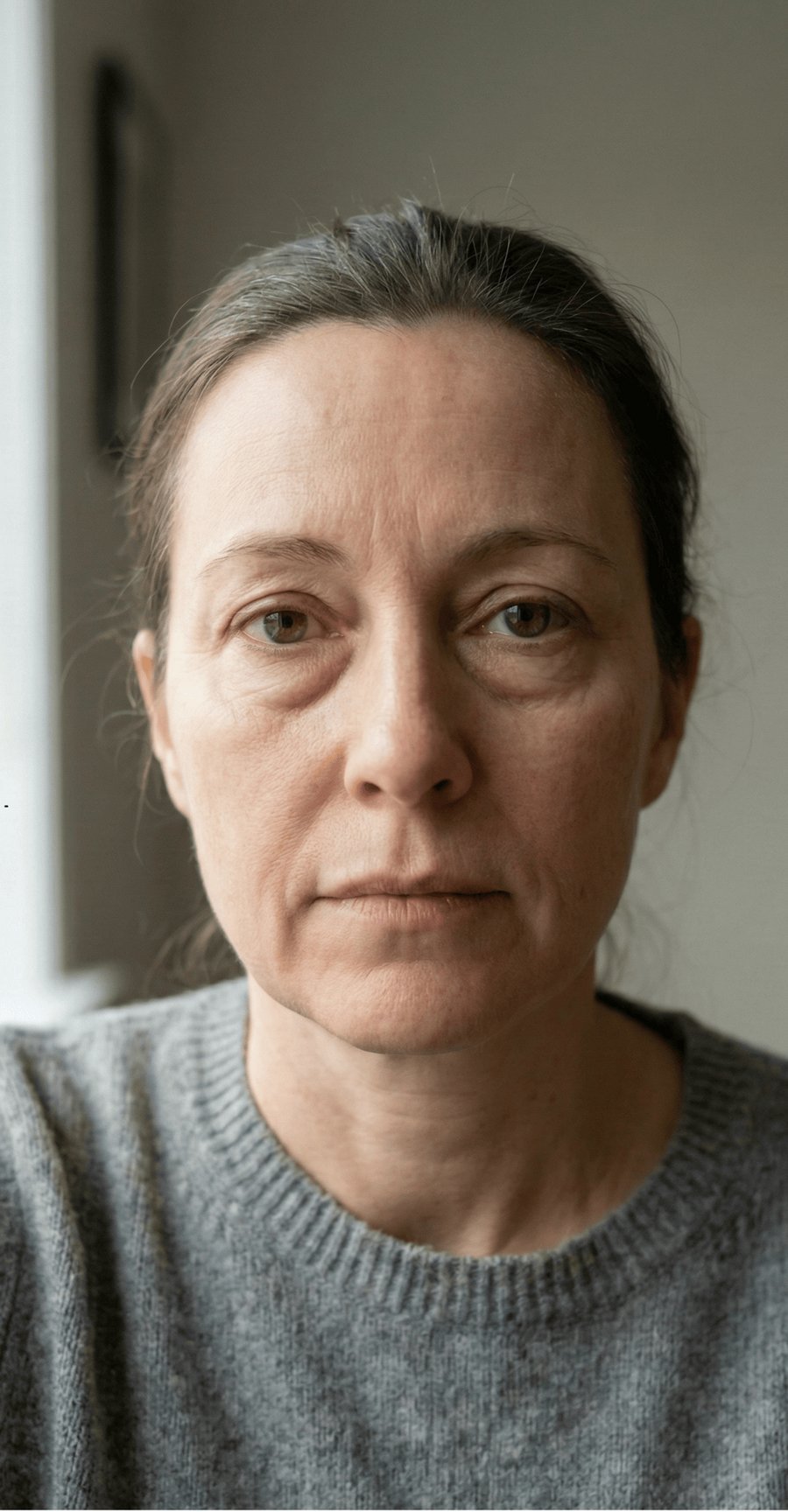 Before
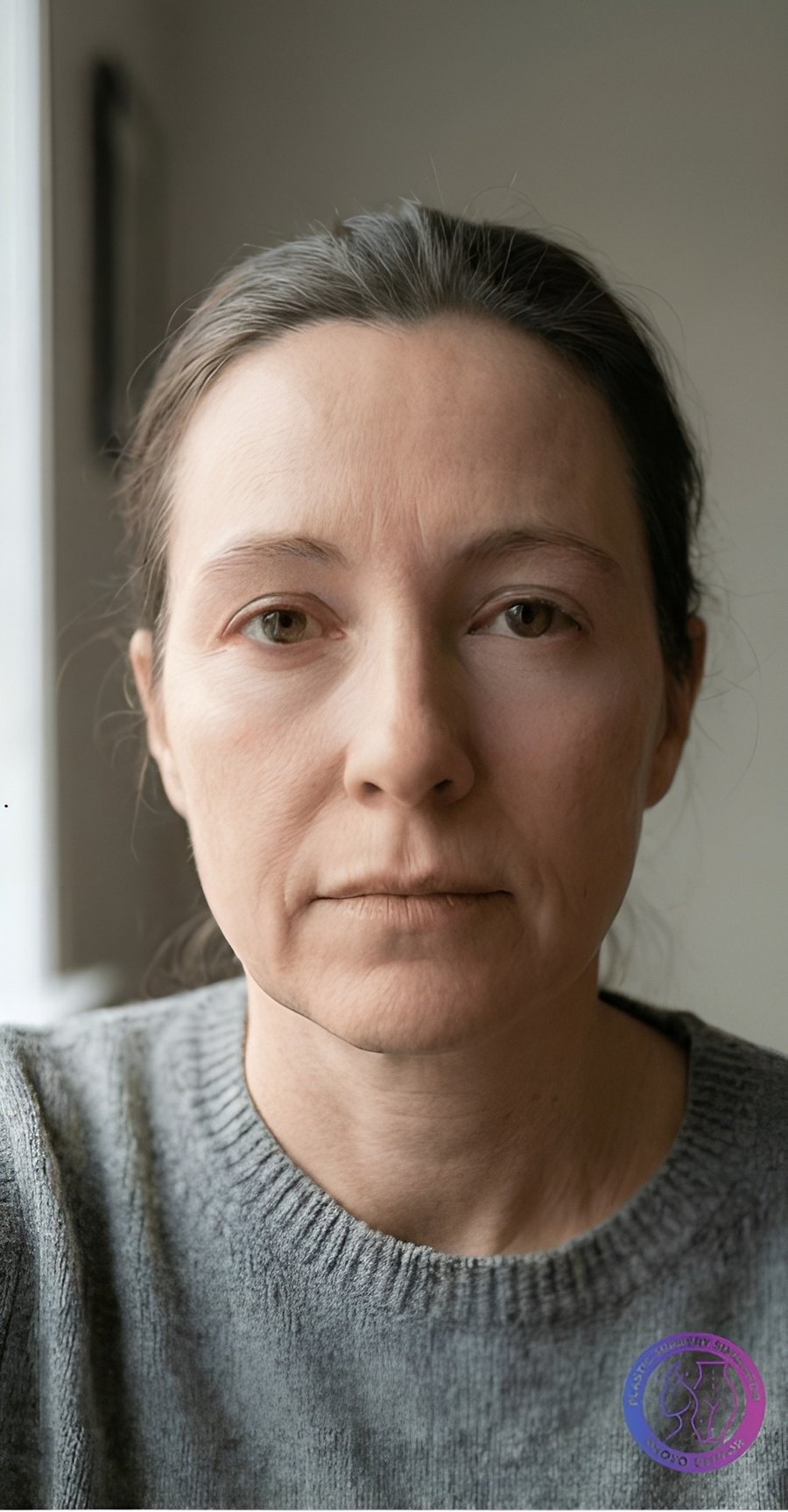 After
The under eye filler vs blepharoplasty question really comes down to one thing: is your under-eye problem a hollow or a bulge? Filler adds volume to a sunken tear trough so the shadow disappears. Lower blepharoplasty (lower eyelid surgery) removes or repositions the fat that’s pushing forward and creating a bag. Pick the wrong tool and you can spend $1,000 on filler that makes you look puffier, or have surgery you didn’t need.
The quick comparison
| Under eye filler | Lower blepharoplasty | |
|---|---|---|
| What it does | Fills a hollow tear trough | Removes or repositions bulging fat, sometimes tightens skin |
| Typical US cost | About $700 to $1,500 per session | About $4,000 to $9,000 all-in |
| Time in the chair | 15 to 30 minutes | 1 to 2 hours |
| Downtime | 1 to 3 days, sometimes bruising | 10 to 14 days before you look “normal” |
| How long it lasts | About 9 to 18 months | Often 10 years or more |
| Reversible | Yes, with hyaluronidase | No |
Filler looks cheaper, and for one session it is. But if you top up once a year for ten years, you’re likely in the same price range as surgery, sometimes higher.
Hollow or bag: how to tell what you have
Stand under an overhead light, look straight into a mirror, then look up toward the ceiling without moving your head.
If you see a groove or dark trench running from the inner corner of your eye down and out, and there’s no real puffiness above it, that’s a hollow tear trough. This is filler territory.
If you see a soft pouch that sticks out and gets more obvious when you look up, that’s usually orbital fat pushing forward. Pressing very gently on your closed upper eyelid can make it bulge more. That kind of bag doesn’t go away with filler, because the problem is too much volume in one spot, not too little.
A lot of people over 40 have both: a bag sitting on top of a hollow. That’s why some surgeons do a “fat transposition” blepharoplasty, moving the bulging fat down into the groove instead of just cutting it out.
Dark circles are a third thing. If the darkness is pigment or thin skin with visible blood vessels, neither filler nor surgery fixes it fully. Skin treatments, lasers or simply good concealer may do more.
Under eye filler: who it suits
Tear trough filler works best when you’re roughly in your mid-20s to 40s, your skin still has decent elasticity, and the main issue is a shadow that makes you look tired even after a full night’s sleep. Most providers use a soft hyaluronic acid filler and place a small amount, often 0.5 to 1 ml for both sides, with a cannula or needle.
The results are immediate, with some swelling for a few days. It’s also less forgiving than lip filler. Under-eye skin is thin, so too much product or product placed too shallow can show as a bluish tint (called the Tyndall effect) or a puffy sausage-like ridge. Filler here can also trap fluid and look swollen for months in people who already retain fluid around the eyes.
Signs filler may not be a good fit for you: you wake up with puffy eyes most mornings, you already have visible bags, or your skin is very thin and crepey.
Lower blepharoplasty: who it suits
Surgery is the better tool when there’s a true fat bag, extra loose skin, or both. There are two main approaches. A transconjunctival blepharoplasty goes through the inside of the lower lid, so there’s no visible scar, and it’s often used for younger patients who mainly have fat bulges. A transcutaneous approach makes a fine cut just below the lash line, which lets the surgeon remove extra skin too. That scar usually fades into a thin line within a few months.
Recovery looks something like this:
- Days 1 to 3: the most swelling and bruising, cold compresses, head raised when sleeping
- Days 5 to 7: stitches out if you had an external cut
- Days 10 to 14: most people feel fine about going out with light makeup
- Months 3 to 6: the final shape settles
Risks include dry or irritated eyes, temporary blurry vision, asymmetry, and, less commonly, a lower lid that pulls down slightly (ectropion). Removing too much fat can also leave you looking hollow, which ironically is the exact thing filler is used for. A conservative, experienced surgeon is worth paying for here.
Cost over time
Here’s a rough ten-year picture in the US, assuming filler is topped up about every 12 to 15 months:
| Year 1 | Over 10 years | |
|---|---|---|
| Under eye filler | $700 to $1,500 | $6,000 to $12,000 |
| Lower blepharoplasty | $4,000 to $9,000 | Usually the same, unless revision is needed |
Filler makes sense if you’re not sure you want a permanent change or you only need a small correction. Surgery makes more sense if you already know you’ll want the result for the long run and the issue is a bag, not a hollow. Our guide on how long lip filler lasts explains why hyaluronic acid fades at different speeds in different parts of the face.
Other options people combine
Under-eye surgery is often paired with other work. Upper eyelid surgery for hooded lids is a common add-on, and some people do a lower blepharoplasty alongside a facelift, which can lower the combined anesthesia and facility fees. Our breakdown of how much a facelift costs covers how those bundles are usually priced. For fine crow’s feet next to the eye, Botox is usually the right tool rather than filler or surgery, and our post on how long Botox lasts covers what to expect.
None of this replaces an in-person assessment. A qualified, board-certified oculoplastic surgeon, facial plastic surgeon or experienced injector can look at your fat pads, skin quality and lid tone in person and tell you which option will actually work.
See it on your own face first
Before you book either, it helps to know what “less tired” actually looks like on you. Pody’s plastic surgery simulator lets you upload a selfie and preview reduced under-eye bags and lighter shadows in a few seconds. Bring the version you like to your consultation, and ask the provider honestly whether filler can get you there or whether that look needs surgery.
Medical disclaimer: This guide is for educational purposes only and is not medical advice. Costs, timelines and outcomes vary by individual. Always consult a board-certified provider before making any decision about a cosmetic procedure. Pody AI simulations show possible visual outcomes and do not guarantee surgical results.
See Your Results Before You Decide
Pody's AI simulator lets you preview eyelid surgery and 20+ other cosmetic procedures on your own photo — in seconds, for free.