Is Buccal Fat Removal Worth It? Cost, Results and Regret
Buccal fat removal is quick and fairly cheap, but it's permanent and the face keeps losing volume with age. Here's who it suits, who tends to regret it, and what to try first.
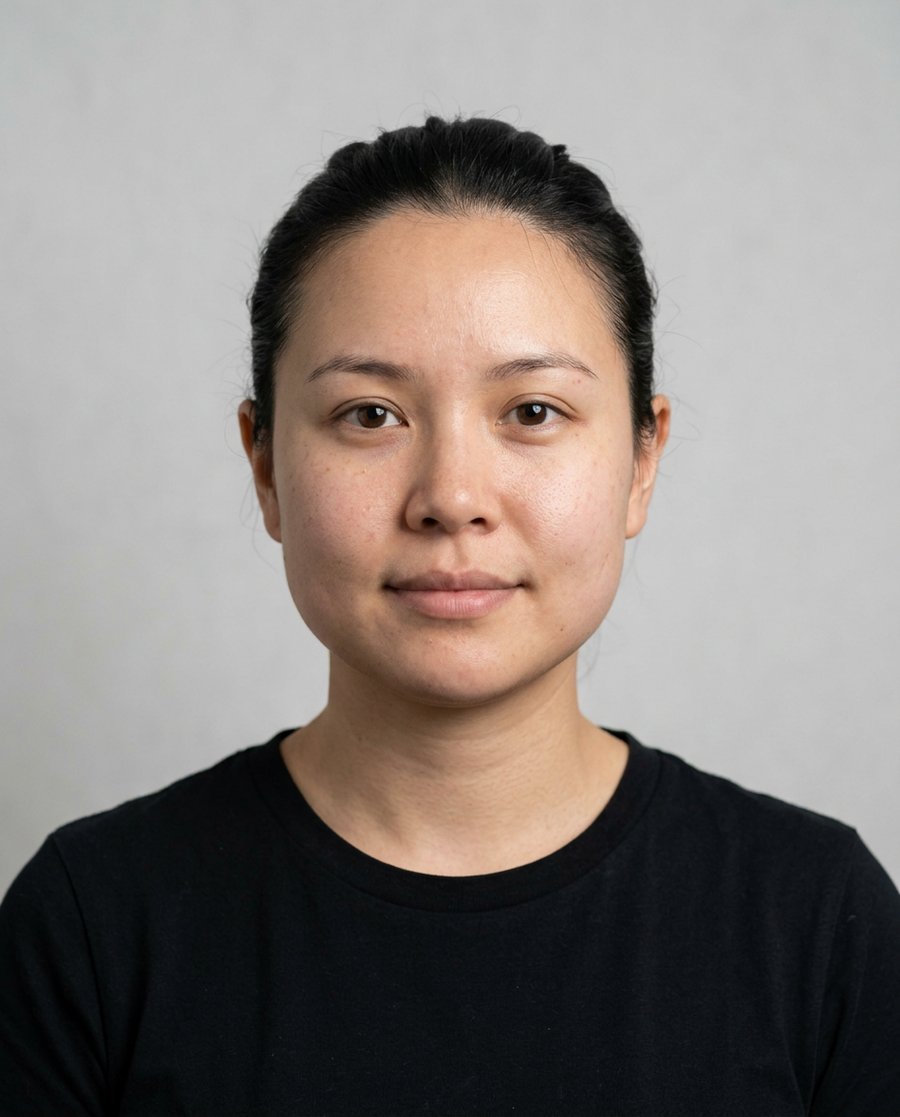 Before
 After
Is buccal fat removal worth it? For the right face, it’s one of the cheaper and quicker ways to get a slimmer, more contoured lower cheek. For the wrong face, it’s a permanent change that can make you look tired or older ten years down the line. The procedure itself is simple: a surgeon makes a small cut inside each cheek and removes part of the buccal fat pad, a pocket of fat that sits between your cheekbone and jaw. Whether it pays off depends almost entirely on your anatomy, your age and how much fat comes out.
The basics in numbers
| Buccal fat removal | |
|---|---|
| Procedure time | About 30 to 60 minutes |
| Anesthesia | Usually local, sometimes with light sedation |
| Incisions | Inside the mouth, no visible scars |
| Typical US cost | About $2,500 to $6,000 all-in |
| Time off work | 3 to 7 days for most people |
| Final result | Around 3 to 6 months |
| Reversible | No, only with fat transfer or filler |
The price swings a lot by city and surgeon. A standalone procedure in a mid-size market might come in around $3,000, while a big-name surgeon in New York or Los Angeles can charge double that. It’s often added to other procedures like a facelift or chin liposuction, which can lower the combined anesthesia and facility fees.
Who tends to get a good result
The people who are happiest afterward usually have a round, full lower face that doesn’t change much even when they lose weight. If you’ve been at a healthy weight for years and your cheeks still look “baby-faced,” there’s a good chance the buccal pads are larger than average, and that’s exactly what this surgery targets.
Good signs you might be a candidate:
- Your lower cheeks are full even though the rest of your face and body are lean
- You’re in your 20s or 30s, with plenty of other facial volume
- Your weight has been stable for a while
- You want a subtle change, not a hollow “model cheek” look
Who tends to regret it
Most regret stories share a pattern. Someone with an already slim or average face has a lot of fat removed to chase a dramatic hollow under the cheekbone. It looks sharp at first. Then, over the next decade, normal aging takes away more fat from the face, and the area that was hollowed out on purpose starts to look sunken.
That’s the core issue with buccal fat removal and aging. Your face loses volume naturally from your 30s onward, and the buccal pad also descends a bit over time. Removing a large part of it early means you have less padding later, when you’d probably want more. Some people end up paying for cheek filler or fat grafting to put volume back, which costs more than the original surgery.
You’re more likely to be unhappy if your face is narrow or long, you’ve recently lost a lot of weight, you’re over 40, or the fullness you dislike is actually from your jaw muscles or loose skin rather than cheek fat.
Recovery: what the first weeks look like
The first three days are the puffiest. Your cheeks will look bigger than before, not smaller, which surprises a lot of people. Expect a liquid or soft diet for a few days, salt-water or antiseptic rinses after meals, and some tightness when you open your mouth wide.
By the end of week one, most people are back at a desk job. By week three, the obvious swelling is gone and you can see the general shape. The fine detail keeps changing until roughly month three to six, so it’s worth waiting before deciding whether you love it or hate it.
Risks to know about
Complications aren’t common, but the area is busy. The buccal fat pad sits close to a branch of the facial nerve and to the parotid duct, which carries saliva into your mouth. Damage to either is rare but can cause weakness in part of the smile or problems with saliva flow. Other risks include infection, bleeding, a hematoma (a pocket of blood), and asymmetry, where one side ends up slimmer than the other.
The biggest “risk” in practice is overcorrection, which is why an experienced surgeon will usually remove only part of the pad and leave some behind.
Alternatives worth ruling out first
A wide or round lower face isn’t always buccal fat. Before you book surgery, it helps to know what’s actually creating the fullness:
- Big masseter muscles. If your face looks wider at the jaw angle, especially when you clench, Botox in the masseters can slim it with no surgery. Results last about four to six months.
- Fat under the chin. A soft jawline from submental fat often responds better to chin liposuction or injectable fat dissolvers. Our guide on how to get rid of a double chin covers those options.
- Flat cheekbones. Sometimes the lower cheek isn’t too full, the upper cheek is too flat. A bit of cheek filler can create contour by adding volume up high instead of taking it away down low.
- Loose skin or jowls. If you’re older and the lower face is sagging, removing fat can make it worse. A lift is usually the better tool, and our breakdown of how much a facelift costs explains the different types.
A good consultation should cover all of this. If a surgeon looks at your face for two minutes and books you in without asking about your age, weight history or long-term goals, that’s a reason to get a second opinion from a qualified, board-certified provider.
See the change before it’s permanent
Because you can’t undo buccal fat removal, it’s worth getting a clear picture of what “slimmer cheeks” actually means on your face. Pody’s plastic surgery simulator lets you upload a photo and preview a buccal fat removal look in seconds. If the subtle version already gives you what you want, that’s a useful thing to bring to your consultation. If you only like the most dramatic version, it might be worth asking your surgeon how that would look on you at 45, not just next month.
Medical disclaimer: This guide is for educational purposes only and is not medical advice. Costs, timelines and outcomes vary by individual. Always consult a board-certified provider before making any decision about a cosmetic procedure. Pody AI simulations show possible visual outcomes and do not guarantee surgical results.
See Your Results Before You Decide
Pody's AI simulator lets you preview buccal fat removal and 20+ other cosmetic procedures on your own photo — in seconds, for free.